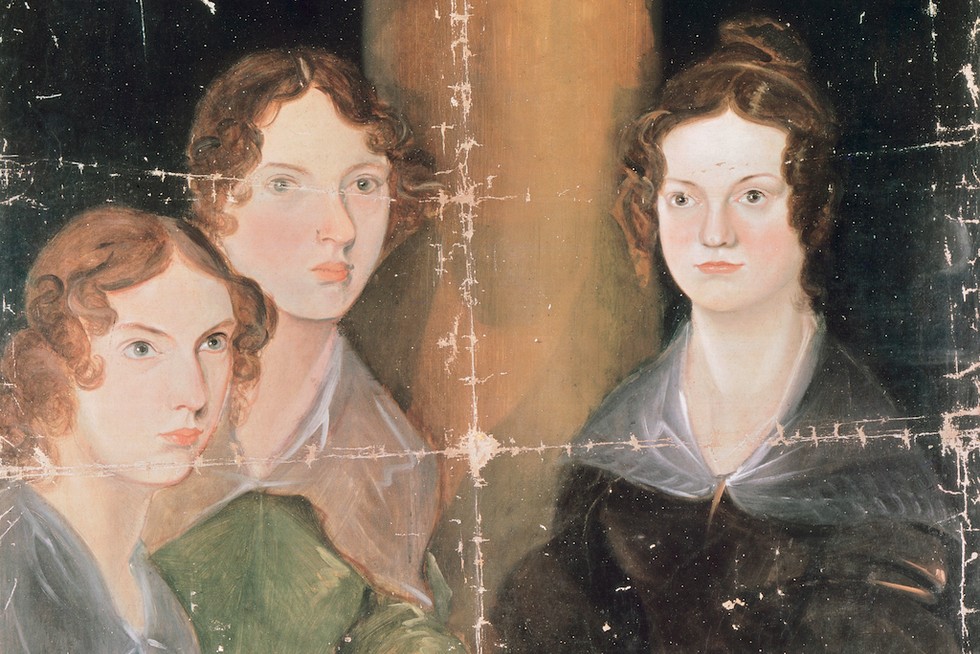
The sisters Charlotte, Emily, and Anne Brontë burst onto the literary scene almost simultaneously in 1847, as their novels Jane Eyre, Wuthering Heights, and Agnes Grey
were published under the pseudonyms of Currer, Ellis, and Acton Bell.
To many Victorian readers, these novels seemed quite radical in their
representations of women’s rights, sexual desire, and the institution of
marriage; to many 21st-century readers, the Brontë sisters have become
feminist icons whose works offer inspiring portraits of strong heroines
and damning critiques of patriarchal injustices. Yet there are also many
ways in which the novels can be seen to work with rather than against
the conventions and prejudices of their time, as we will be sure to
discuss as well. In this seminar, we will take a look at the context of
the emergence of the sister’s literary creativity, as well as at their
major works, which are among the most canonized novels in English, and
provide an inexhaustible array of themes that are both universal and can
tell us a lot about 19th-century Britain.
- Dozent/in: Sebastian Domsch